Gulf Spillover, West Bank Escalation, and Israeli Coalition Shifts Constrain Regional Diplomacy
All dates and times are shown in Iraq time (UTC+3).
Regional reporting between November 25 and November 27 reflects heightened military spillover across the Gulf alongside domestic political realignment in Israel and governance friction in Iraq. Amid active hostilities involving Iran, the United States, and Israel, diplomatic bandwidth for regional normalization appears narrowly constrained.
Strategic pulse
Regional tensions remain acute amid strikes affecting Kuwait and Saudi Arabia, wartime repression in Iran, and settler violence in the West Bank. Diplomatic activity is largely confined to coalition bargaining in Israel and targeted US–Iraq border enforcement
Strategic indicators
The indicators represent an editorial assessment, not independently measured statistics.
Regional picture
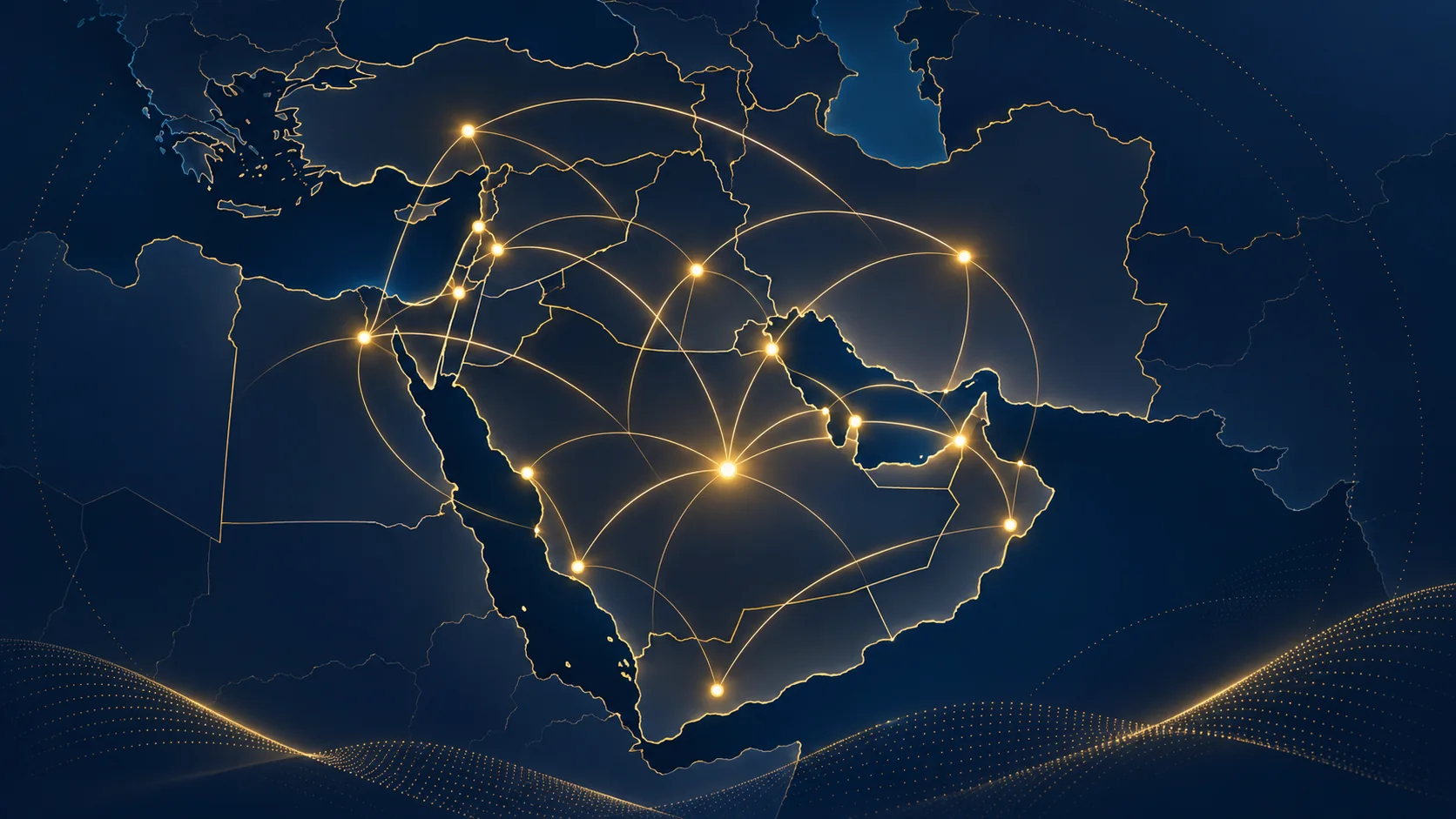
Iranpressure
Wartime confrontation with the US and Israel coincides with Amnesty International warnings of death sentences and unfair trials for protesters.
Kuwaittension
A strike killed two Italian defense-firm technicians, with Iran denying responsibility for the attack.
Saudi Arabiawatch
Houthi strikes test the kingdom's security posture even as daily life in Riyadh continues under state protection assurances.
Israeldialogue
Opposition leader Gadi Eisenkot's deal with Yair Golan's Democrats advances post-election coalition talks amid strained US public sentiment.
West Banktension
Human rights groups report escalating settler and military interference against Palestinian paramedics following deadly violence in Qusra.
Iraqcooperation
US backing for Baghdad's anti-smuggling and disarmament push coincides with Baghdad–Erbil friction and closed unofficial crossings with Iran and Syria.
Timeline
- Fatal Kuwait Strike
BBC News reports two Italian technicians for Rheinmetall killed in Kuwait; Iran denies involvement.
- West Bank Medic Attacks
The Guardian details settler killings in Qusra and shooting at Palestinian paramedics.
- Israeli Opposition Pact
France 24 reports Gadi Eisenkot agrees to a coalition deal with the left-wing Democrats.
- US Backs Iraqi Crackdown
BBC Arabic reports Trump supports Prime Minister al-Zaidi's anti-smuggling and state-arms drive.
- Iran Trial Warnings
France 24 highlights Amnesty International calls for accountability over wartime protester death sentences.
Strategic conclusions
- Regional conflict spillover into Kuwait and Saudi Arabia keeps Gulf threat perceptions elevated and diplomatic bandwidth narrow.
- Israeli opposition coalition progress contrasts with acute West Bank violence and commentary pointing to declining US public support.
- US engagement in Iraq prioritizes state monopoly on arms and border control with Iran and Syria, while regional normalization remains stalled.
Gulf Spillover and Contested Attribution
Active conflict involving Iran, the United States, and Israel continues to reverberate across the Gulf, though responsibility for specific incidents remains contested. BBC News reported that a strike in Kuwait killed two Italian technicians employed by the German firm Rheinmetall, according to Italy's foreign ministry, while Iran denied responsibility. In Saudi Arabia, BBC News noted that Houthi attacks have tested the kingdom's image of security, even as commercial life in Riyadh remained active and residents voiced confidence in state protection. In commentary carried by BBC Arabic, former Saudi Shura Council member Ibrahim al-Nahhas argued that Yemen's Houthi movement lacks an independent agenda and indirectly executes Iranian objectives against Saudi Arabia, the region, and the United States—an assessment that reflects Riyadh-aligned views rather than independently verified attribution.
Iranian Domestic Crackdown Under Wartime Conditions
Internal repression in Iran remains severe against the backdrop of external war. France 24 reported that, amid war with the United States and Israel, Iranian protesters continue to face death sentences following what Amnesty International characterizes as grossly unfair, torture-tainted trials. According to France 24's interview with Amnesty International researcher Raha Bahreini, authorities have sought to equate peaceful dissent following the January 2026 protests with treason and espionage, prompting Amnesty to call for an international criminal justice mechanism. While the summary relies on human rights advocacy testimony rather than independent judicial access, it underscores that wartime pressures are hardening domestic security measures in Tehran rather than moderating them.
Israeli Coalition Realignment, West Bank Violence, and US Strain
Israeli politics showed tentative movement toward an alternative governing coalition even as West Bank violence and bilateral reputational strain persisted. France 24 reported that former military chief Gadi Eisenkot reached a coalition agreement on November 26 with Yair Golan's left-leaning Democrats, moving Israel's opposition closer to forming a government after inconclusive October elections. On the ground, however, The Guardian reported that human rights groups documented rising attacks on Palestinian healthcare workers, detailing a deadly settler attack in Qusra that killed three Palestinians and incidents in which paramedics were blocked and shot at by Israeli settlers and soldiers. Separately, Le Monde columnist Alain Frachon argued that Prime Minister Benjamin Netanyahu is chiefly responsible for eroding US public support for Israel, citing Gaza's destruction, wars in Iran, and two decades of settlement expansion—an analytical commentary highlighting growing friction within the US–Israel relationship.
Iraqi State Consolidation and the Normalization Outlook
In Iraq, BBC Arabic reported that US President Donald Trump voiced support for Prime Minister al-Zaidi's efforts to extend state authority, curb oil smuggling and corruption, and restrict weapons to state control. This backing comes amid escalating disputes between Baghdad and Erbil over oil fields and border management, alongside the closure of unofficial crossings with Iran and Syria. Analytically, Washington's engagement in Baghdad appears focused on border enforcement and sovereign containment rather than broader regional integration. Across the reporting window, no new diplomatic breakthroughs or normalization steps between Israel and Arab states were reported; until Gulf security threats subside and Israeli governance stabilizes, normalization is likely to remain subordinate to crisis management.
Sources
Strategic assessment based on cited public sources. Not an official diplomatic statement.
Permanent link: https://iraqdiplomaticdoor.com/observatory/analysis/20261127-2130-gulf-spillover-west-bank-escalation/